
AS Watson Group - A member of CK Hutchison Holdings
close
Hong Kong’s retail landscape has transformed dramatically—from bustling open markets to seamless O+O stores. The transformation of cashiers, price labels, and shopping bags in Hong Kong reflects how retail has adapted to new technology, changing regulations, and shifting customer expectations.
item-1.png
The Evolution of the
Cashier
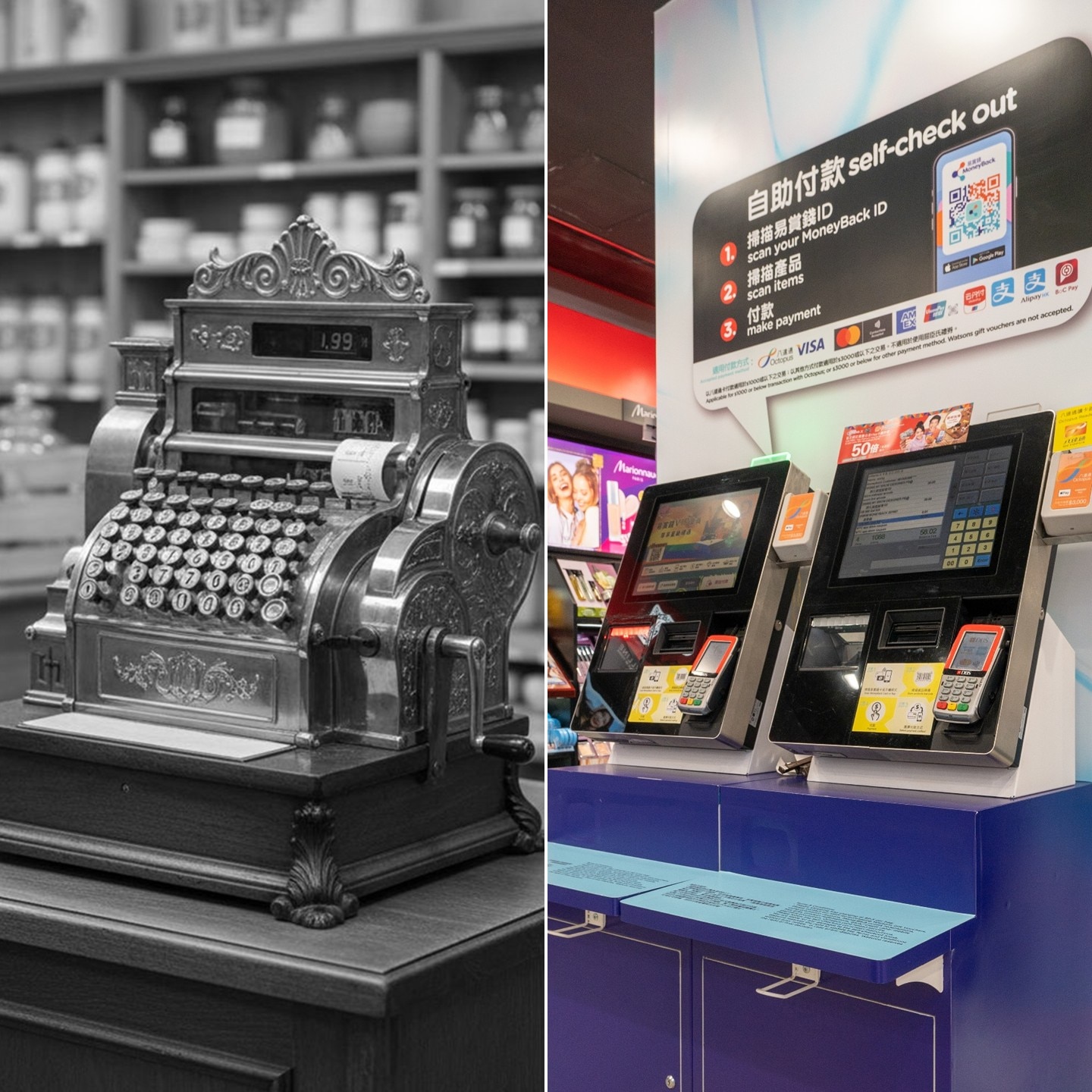
In Hong Kong’s earliest retail days, cashiers used manual tills, money boxes, or even pulley systems to transfer cash securely. Transactions were calculated mentally, recorded by hand, and receipts were rare.
 
As retail developed in the 1970s, Hong Kong experienced a major transition in retail cashiering, beginning with the use of mechanical cash registers. Sales were recorded mechanically on a printed tape and receipts were provided.
 
When retail entered the modernisation era, electronic cash registers and barcode scanning became standard in retail stores. AS Watson introduced computerised POS systems and barcode technology, making checkout quicker and more reliable for customers.
 
Today, cashiers are aided by self-checkout kiosks, mobile payments, and contactless terminals that make transactions faster and smoother. Shopping is no longer confined to physical stores; customers can shop through mobile apps anytime, anywhere. Speed and convenience are now at the heart of the retail experience.
Scroll to View Price Label History keyboard_arrow_down
item-2.png
The Evolution of the
Price Label
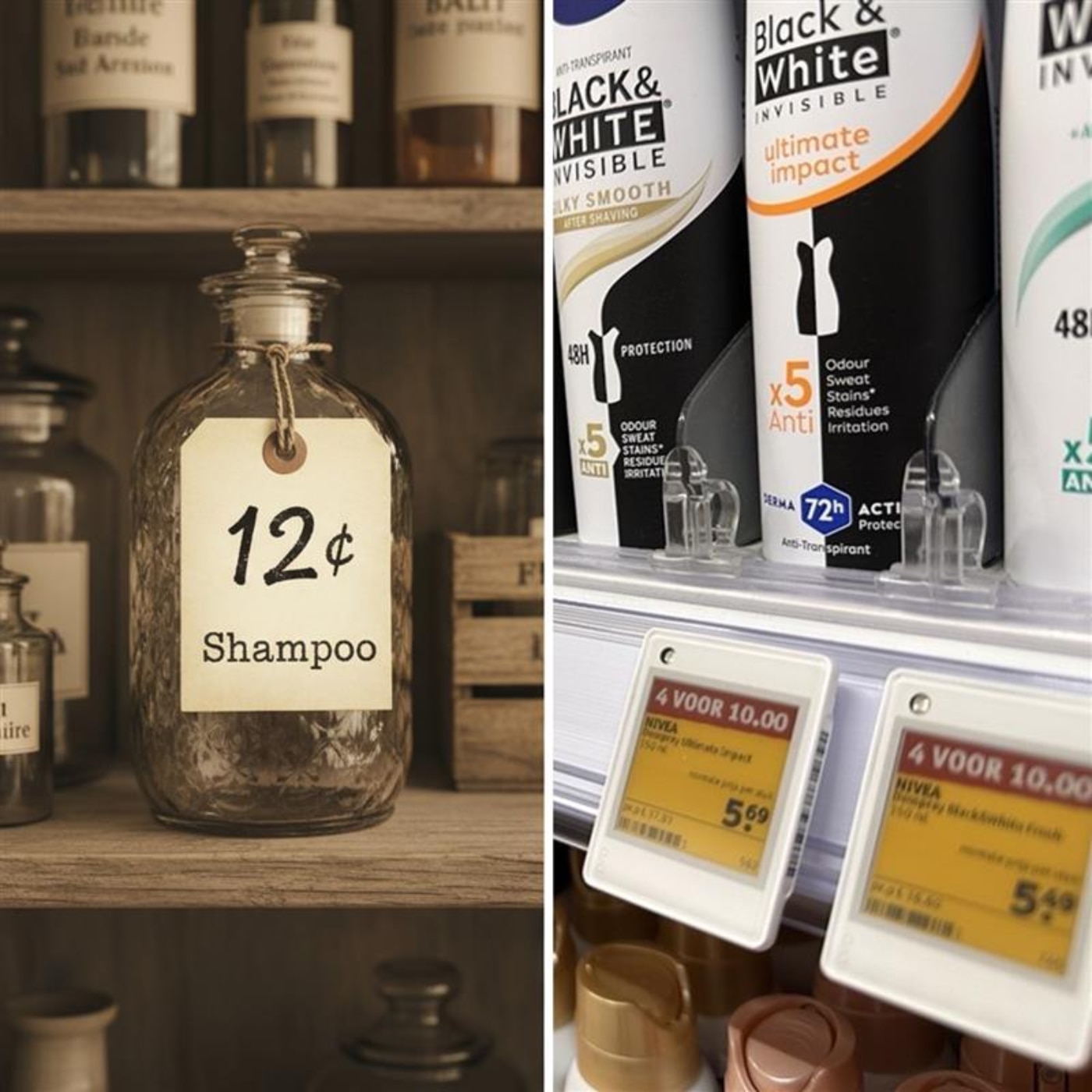
Price labeling has evolved significantly over the years. In early days, handwritten price tags or chalkboards were the norm, with prices updated manually each day.
 
In 1970s, price label machines became common in Hong Kong retail stores. These handheld devices allowed staff to print and apply adhesive price tags efficiently, replacing slower manual labeling.
 
As we moved into 1980s, modern retail saw barcodes and printed labels become widespread, making product prices clearer and more consistent across busy stores.
 
Today, in the digital age, electronic shelf labels and QR codes now allow instant price updates and detailed information at the shelf. Our brands synchronise physical and online price updates, making transparency and convenience standard for customers.
Scroll to View Shopping Bag History keyboard_arrow_down
Shopping Bag_now and then_1.jpg
The Evolution of the
Shopping Bag
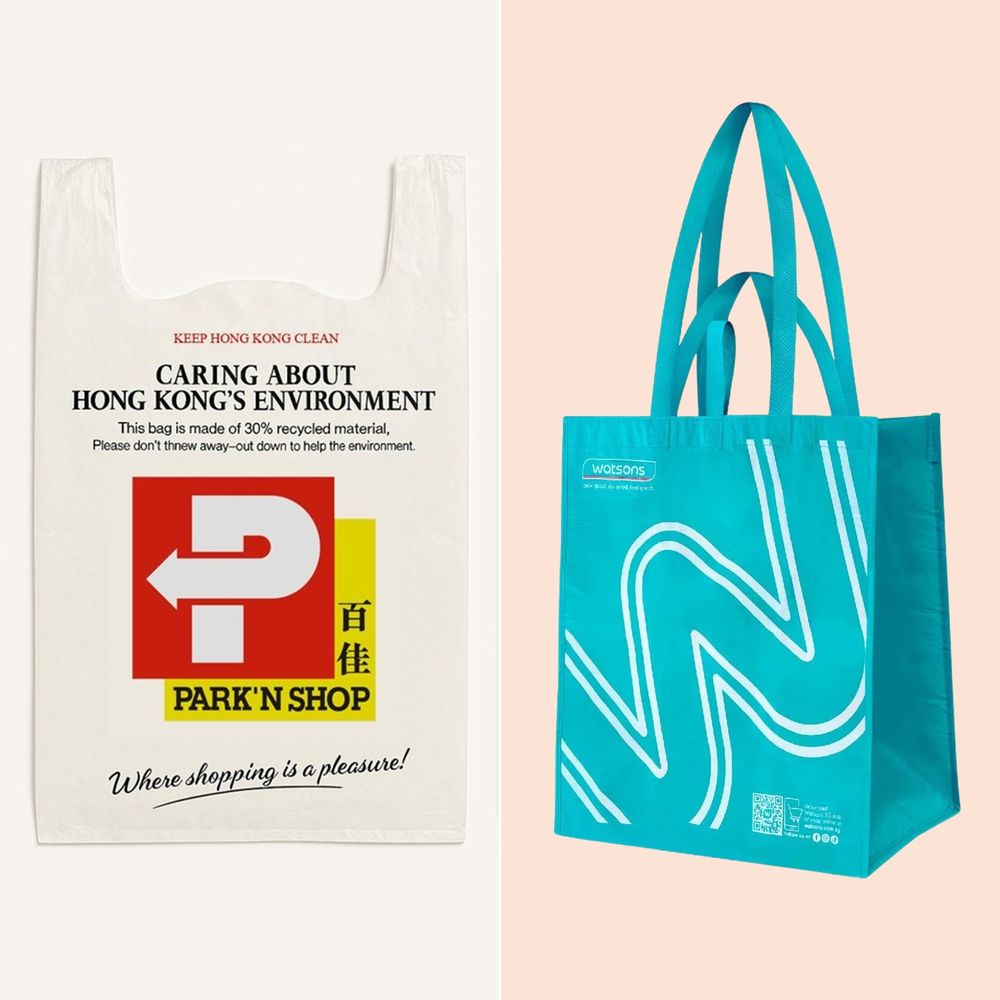
Shopping bags have seen considerable changes in Hong Kong over the years. 
 
In the 1980s and 1990s, branded plastic shopping bags gained popularity, offering convenience for customers and enhanced visibility for retailers.
 
As awareness of sustainability increased in the 2000s, a shift began. In 2006, AS Watson joined the government’s voluntary agreement to cut plastic bag distribution. We began introducing biodegradable plastic options and reusable shopping bags, encouraging customers to make greener choices.
 
Nowadays, customers are encouraged to bring their own bags, or choose from branded totes and fabric carriers available at checkout – All part of AS Watson’s commitment to promoting and inspiring a more sustainable lifestyle. 
AS Watson Group - A member of CK Hutchison Holdings
Copyright © 2025 AS Watson Group All Rights Reserved.